
Together, we can strengthen care coordination and improve outcomes for individuals and families in our community.
The Challenge: Fragmented Care
Individuals and families seeking behavioral health support face significant barriers to finding and accessing affordable, quality care. While our region has substantial behavioral health resources, many people don’t know these services exist or how to access them. This is especially true for those seeking culturally responsive care, providers who accept insurance or offer sliding scale fees, or practitioners with expertise in specific conditions.
Too often, people enter the system through a crisis – emergency room visits or psychiatric hospitalizations – receiving acute clinical care without connection to essential wraparound services. This fragmented approach creates critical gaps in care coordination, leading to delayed access to services, recurring crises, incomplete recovery, and inefficient use of resources.
Many providers work in relative isolation, lacking visibility into the full spectrum of community resources available to support comprehensive care for their clients. Creating stronger connections among these resources is essential to building a coordinated, responsive system of care.
I called over 10-15 doctors or facilities in a day, and I was getting nowhere. I felt so defeated and overwhelmed. I worried my depression was getting worse.
Everyone we talked to had a different answer. We couldn’t figure out how to get the right help for our daughter.
The Impact on Individuals
Individuals seeking behavioral health support often struggle to find providers who match their specific needs—whether that’s a therapist who accepts their insurance, a psychiatrist with availability, or someone who understands their cultural background. When they do find help, they may face a long waiting time for services, and the lack of coordination among providers can leave them without access to the full range of services they need for recovery.
The Impact on Families
Parents of adolescents and young adults experiencing their first behavioral health crisis face particular challenges. Without familiarity with the system or clear pathways to coordinated care, these families often struggle to find the comprehensive support their loved ones need.
Our Approach: The Behavioral Health Collaborative of Lower Fairfield County (BHLFC)
The BHLFC is an independent initiative designed to strengthen care coordination and improve access to quality behavioral health services across Lower Fairfield County. Rather than creating new services, the Collaborative connects providers to one another and to essential community supports to ensure individuals and families receive comprehensive, coordinated care.
Laurel House, Inc. is providing initial project management and systems-level expertise to launch the Collaborative. As the initiative develops the Collaborative will reflect the community needs and collective wisdom and experience of the behavioral health community it serves.

Our Mission
To strengthen care coordination and improve behavioral health outcomes for individuals and families in Lower Fairfield County.
HOW IT WORKS: LAUNCHING THE COLLABORATIVE
The Collaborative will launch through an initial development phase led by the Laurel House team. This three-step process builds the foundation for a network that can evolve to meet community needs:

Step 1: Provider Surveys
We will survey providers to identify gaps in access to quality care, showcase specialized services, and identify provider capacity across the region.

Step 2: Provider Consultation
Our team will partner with participating organizations to identify strengths and challenges, provide ongoing support, and help coordinate wait lists and referrals between providers. For complex cases requiring coordination of care across specialty providers, Laurel House’s rtor.org Resource Specialists will assist.

Step 3: Online Resource Development
We will build a comprehensive, secure member portal featuring vetted provider information, with an initial focus on providers who accept insurance and those with sliding scales or negotiable rates. A dedicated website, www.behavioralhealth.org (www.bhclfc.org), will showcase member providers.
The Region Served
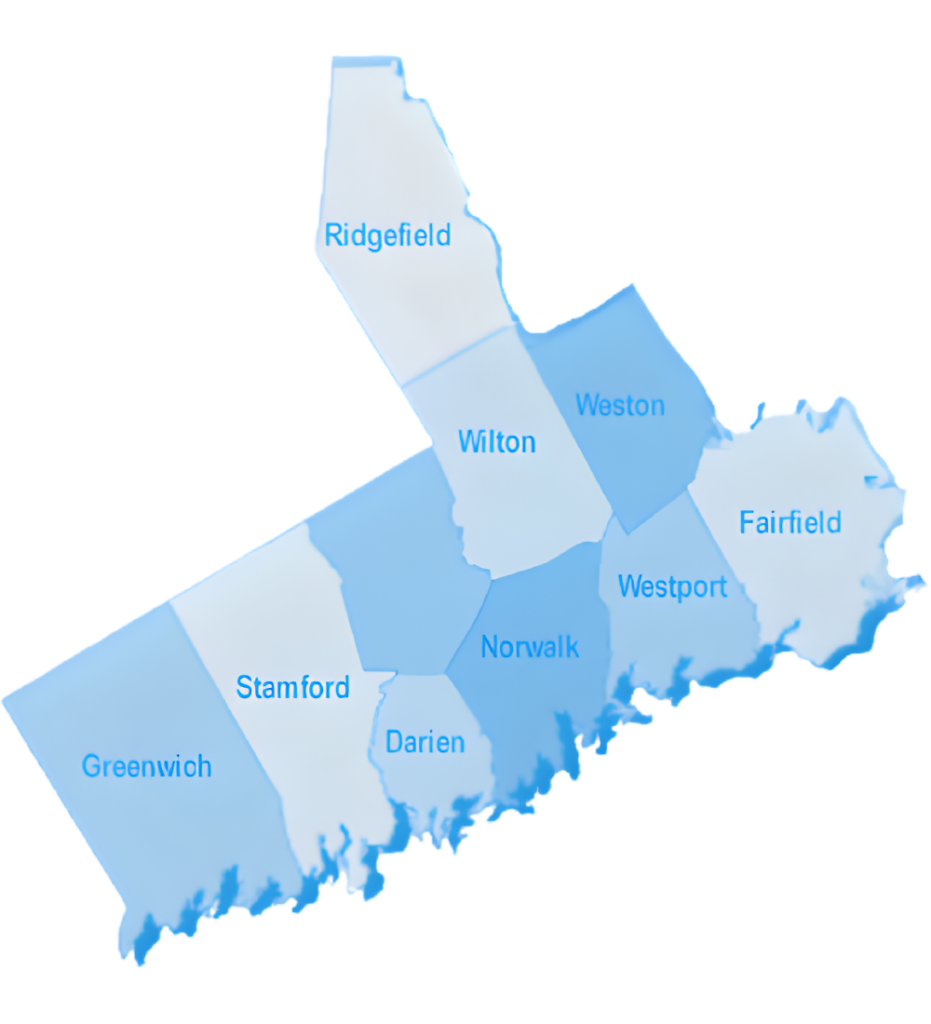
The Collaborative focuses on Lower Fairfield County towns, serving the communities of Darien, Fairfield, Greenwich, New Canaan, Norwalk, Ridgefield, Stamford, Weston, Westport, and Wilton.
About Laurel House, Inc., Host of the Collaborative
Laurel House, Inc. is a nonprofit behavioral health organization based in Stamford, CT, serving Fairfield County since 1984. Laurel House provides an array of evidence-based programs and services, including Supported Employment, Supported Education, Thinking Well (cognitive remediation), Social Rehabilitation & Skill-building Workshops, Community Support Services, and Supportive Housing for individuals affected by mental health and co-occurring substance use challenges.
Resources to Recover-rtor.org is a free service of Laurel House that has connected families with behavioral health resources since 2014. This expertise in care coordination and understanding system gaps directly informs the Collaborative’s approach.

The Behavioral Health Collaborative represents a groundbreaking opportunity to transform how behavioral health care is delivered in Lower Fairfield County. By working together, we can increase the productivity and effectiveness of providers and ensure that every resident has access to coordinated, quality care.
Ready to be part of this systems change initiative?